
In numerous banking halls, staff regularly face difficult customer situations where women are not fully in control of their own accounts, transactions are influenced by others, or requests raise concern but are hard to address. These cases have often been treated as sensitive or unclear situations. In reality, many of them are cases of financial abuse!
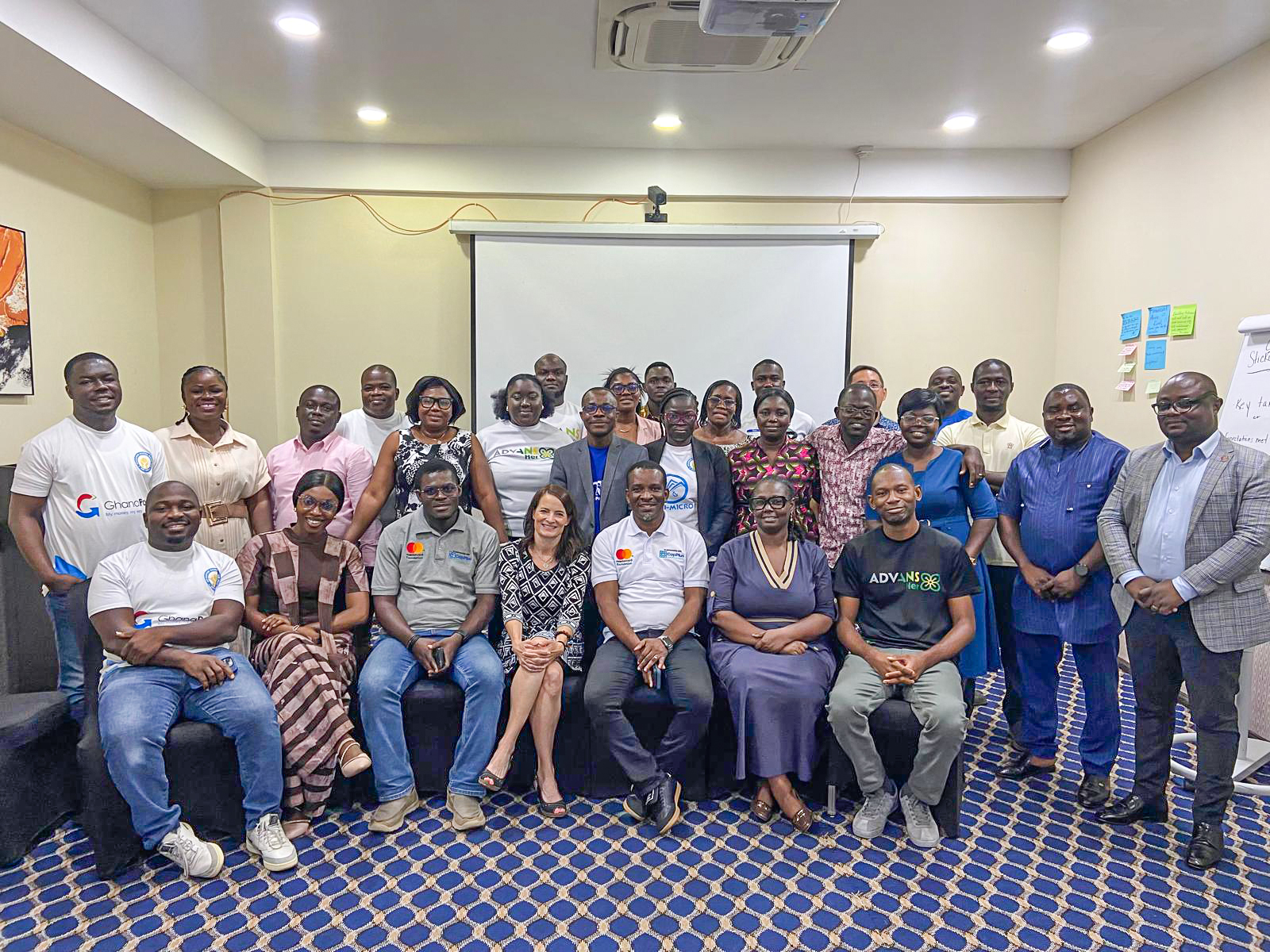
A recent capacity-building program led by Grameen Foundation brought this issue into focus. The training convened a diverse group of financial institutions and ecosystem actors: Pan African Savings and Loans, Opportunity International Savings and Loans, Advans Savings and Loans, Manya Krobo Community Bank, Akuapem Community Bank, Mumuadu Community Bank, Ahantaman Community Bank, alongside CDC Consult and Ghana Microfinance Institutions Network to build a clearer understanding of the issue and strengthen their capacity to respond effectively.
One of the biggest gaps identified was not exposure, but clarity. Staff had encountered these situations before, but without the right tools or guidance. This often led to inconsistent responses, sometimes too cautious, other times unintentionally overstepping.
The training helped participants identify patterns of control and coercion within financial relationships. It also introduced practical ways to assess situations and respond appropriately, while respecting client privacy and dignity.
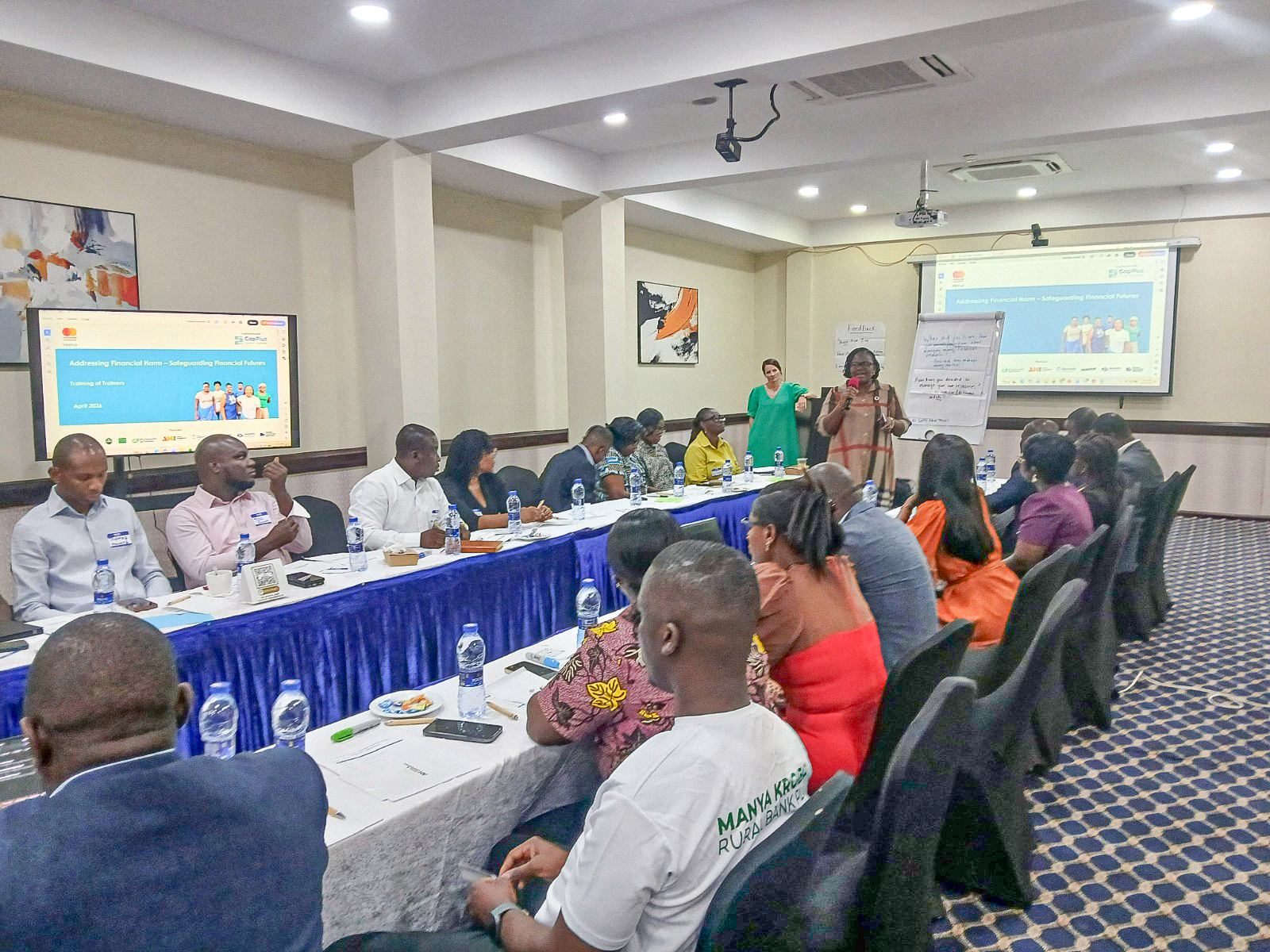
The program was structured to ensure the learning could be applied across institutions:
• Senior leadership were engaged early to ensure alignment and support
• Key operational staff were trained to apply the concepts in daily work
• Practical exercises helped participants build confidence in handling real scenarios
• A train-the-trainer approach allows institutions to continue internal training
This structure ensures the knowledge does not remain with a few individuals but becomes part of how institutions operate.
The training also showed that addressing financial abuse is not always straightforward. In one case, a participant who spoke about protecting customers from financial abuse was asked, “Is this your business?” The reaction reflects a broader issue as these situations are often influenced by social and cultural norms, and efforts to address them may not always be welcomed. This makes it important for institutions to be clear about their role and consistent in how they respond and by the end of the training:
• Staff were better able to recognize financial abuse
• Responses became more structured and consistent
• There was a clearer understanding of the institution’s role in protecting clients
Some participants also noted that the learning changed how they think about financial control and decision-making in their own lives.
Why This Matters
Financial abuse can limit a person’s ability to fully benefit from financial services. For many women, it affects control, confidence, and decision-making. If financial institutions are not able to recognize and respond to these situations, access to finance alone is not enough. However, when institutions are better equipped:
• Clients are more likely to feel safe using financial services
• Staff can respond more confidently and appropriately
• Services become more aligned with the realities clients face
This training is a practical step toward improving how financial institutions serve their clients. It shifts the focus from simply providing access to ensuring that services are used safely and as intended. It also reinforces the role of financial institutions in recognizing risks and responding in a consistent and responsible way.


